Showing posts with label Heavy Metals. Show all posts

Tuesday, July 8, 2008

Copper

What does copper look like?
Unlike most metals, which are usually silvery white, copper has a pinkish gold color. It is ductile and rather supple in its pure state; an excellent conductor of electricity and heat.

What are some uses for copper?
Copper has been used for thousands of years for coinage, cookware, armor and a variety of other uses because of its easy accessibility and malleability. In modern times copper is used for numerous applications, in fact too many to list on this page. But here are a few of the more common uses for copper in today's society:
- Electrical wire
- Electromagnets
- Magnetron in microwave ovens
- Roofing materials
- The Statue of Liberty
- Plumbing
- Cookware
- Coins

How does one come into contact with Copper?
Copper is an essential nutrient to plants and animals and therefore is usually found in the human bloodstream. A small amount of copper in the body is needed for basic functioning, however, in excess amount copper can be poisonous. A person can be exposed to excess copper through copper in the air near smelting factories, in drinking water from running through old copper pipes, food, ingesting copper containing fungicides, and from excess skin contact.

What are the Effects of Overexposure to Copper?
- Nose and throat irritation
- Nausea
- Vomiting
- Diarrhea
- Kidney or liver damage
- Death

Reducing exposure to Copper:
The most likely source of exposure to copper is through drinking water so the best ways to reduce overexposure is to run the faucet for at least 15 seconds in the morning, especially if you have copper pipes. Also, you can buy a water filter system. One company that makes products especially for this is Waiora, they have a large line of detoxification and wellness products.

Testing for Copper in the Body:
A blood, urine or feces test at a doctor's office can test for copper in the body but cannot determine exact amounts without further, specialized testing. An easy, at home way of testing for overexposure to copper is a Heavy Metal Screen Test kit.

For more information on Copper and Copper Poisoning:

Thursday, June 19, 2008

Cadmium


All about Cadmium:
Cadmium is an abundant transition metal with a soft, bluish-white appearance and naturally occurring in the earth's crust. Cadmium is malleable, soft, and very toxic, known to cause cancer and often found in zinc stores. Cadmium is also found combined with oxides, sulfides, and other carbonates. People with poor nutrition or those who do not get enough iron in their diet tend to have cadmium stay in the body longer.

Types of Exposure:
-Inhalation
-Ingestion

How does Cadmium get into my body?
-Cigarette smoke
-Air from smelting and refining metals
-Air where fossil fuels are burned
-Ingesting fungicide
-Battery acid
-Fruits and vegetables planted in cadmium rich soil
-Shellfish and organ meats

Effects of Poisoning:
-Kidney, lung and intestinal damage
-Birth defects (Low birth weight, learning disorders)
-Fragile bones
-Cancer

What are the symptoms of poisoning from cadmium?
-Stomach ache
-Vomiting
-Diarrhea

What tests can I do to detect cadmium in my body?
-A doctor can perform a urine, blood or fingernail test

How do I rid my body of cadmium?
-Improve diet
-Stay away from cigarette smoke
-Test soil and drinking water

More Information about Cadmium:
-Agency for Toxic Substances and Disease Registry


Thursday, June 12, 2008

Nickel


What is nickel?

A naturally occurring hard, silvery-white metal that is found in all soil including volcanic soil and the ocean floor; often combined with other metals to create alloys.

How am I exposed to nickel?
- Ingestion
- Inhalation
- Skin contact

What are the symptoms of exposure?
- Allergic reaction
*Skin rash
*Asthma attack
- Chronic bronchitis

What are the results of over exposure?
- Chronic bronchitis
- Impaired lung function
- May lead to cancer in lungs and nasal sinus with prolonged exposure

Poisonous Levels:
- > 0.05mg/cm3 per week

How do I come into contact with nickel?
- Food containing nickel
- Skin contact
- Soil
- Tobacco smoke containing nickel
- Bath or shower water
- Metals containing nickel
- Coins or touching jewelry containing nickel

How is nickel detected in the body?
- Urine
- Feces
- Blood

Treatment for nickel poisoning:
- Naturally secreted from body
- Chelation therapy in extreme cases

Antimony


Never heard of antimony?
Don't worry, before I started this research, neither had I. Antimony is a metalloid, an element that has physical properties of a metal but reacts like non-metal, that is currently being used as a semi-conductor in diodes, infrared sensors, and as an alloy with lead to make it stronger.

How does antimony get into my body?
- Inhalation
- Ingestion
- Skin Contact

What are the symptoms of exposure?
- Eye, skin, and lung irritation
- Diarrhea
- Vomiting

Results of Poisoning:
- Heart Problems
- Lung problems (pneumoconiosis)
- Stomach ulcers
- Death (With heavy exposure over several days)

How much is poisonous?
- > 9 ppm through inhalation
- > 19 ppm through ingestion

What is antimony used for?
- Used for flame proofing
- Batteries
- Paints
- Ceramics
- Rubber
- Matches
- Plumbing

How can I get tested for antimony exposure?
- Can be tested for several days after exposure/cannot tell how much antimony body das been exposed to.
- Blood
- Urine
- Feces

For more information, check out these sources:
- Agency for Toxic Substances and Disease Registry
- Wikipedia
- Encyclopedia Britannica

Wednesday, June 11, 2008

Lead


What is lead?
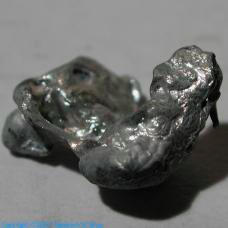
A transitional metal with a bluish-white color in its natural solid form and shiny chrome silver when melted. Lead has been used for weapons and tools for hundreds of years because of its malleability.

How am I exposed to lead?
- Inhalation
- Ingestion
- Usually occurs with prolonged or repeated exposure

Results of lead poisoning:
- Damage to internal organs
- Kidney failure
- Brain and Spinal Cord damage

Symptoms of lead poisoning:
- Fatigue
- Depression
- Abdominal pain
- Elevated blood pressure
- Reproductive problems
- Anemia

How do I come into contact with lead?
- Lead base paint (Used before 1977)
- Soil in urban areas
- Playground soil
- Drinking water
- Dust
- Leaded gasoline
- Foreign cosmetics

Treatment:
- Chelation therapy with DMSA (Dimercaptosuccinic acid)
Given every 8 hours for 12 days and then every 12 hours for the next 2 weeks.

Mercury


What is Mercury?
Mercury is a transition metal that occurs naturally throughout the world. It is often referred to as quicksilver because of its silver, liquid appearance. Mercury comes in two forms, its insoluble form is harmless to humans however, its soluble ,such as mercuric chloride, is very poisonous

How am I exposed to mercury?
- Ingestion
- Inhalation
- Skin contact

What are symptoms of mercury poisoning?
- Mercury poisoning can take up to 1 month to see effects
- Paresthesias
- Headaches
- Ataxia
- Visual field constriction
- Hearing impairment

Reults of mercury poisoning:
- Mercury causes damage to the central nervous system and should be treated by a doctor immediately·

How much is too much?
- Mercury blood levels greater than 10µg/L.
- Can only be detected by commercial laboratory.
- Urine analysis is not an effective means of testing for mercury poisoning.

How do I come into contact with mercury?
- Seafood
- Alkali and metal processing
- Incineration of coal
- Thermometers
- Fluorescent light bulbs
- Dental amalgam fillings

Treatment for mercury poisoning:
- See physician as soon as possible
- Chelation (Detoxamin)

More Info on protection and disposal of mercury
- http://www.calpoison.org/public/mercury.html
- http://www.cdc.gov/

Arsenic


What is arsenic?
Arsenic is a non-metallic element found naturally in the earth's crust. It is odorless and tasteless and in its organic form, found in natural water sources, is not poisonous to the body. However, taken in excess or in inorganic forms used industrially, it can be very poisonous to the body.

Some information about arsenic:

-Main constituent in more than 200 minerals
-Metalloid naturally occurring in the earth’s crust
-Odorless and tasteless
-Occurs in rocks, soil, water and air
-Classified as a carcinogen (substance that induces cancer)
-Volcanic activity is most significant source of natural arsenic
-Occurs in crystalline, powder, amorphous or vitreous forms
-Many names and forms depending on environment
-Inorganic arsenic from factories is most harmful

Where is arsenic found?
-Naturally occurring arsenic in ground water
-Tobacco smoke
-Burning preserved wood
-Additive in poultry and swine feed
-Use in pesticides has left large tracts of agricultural land contaminated
-Meat, poultry, dairy products and cereals
-Fruit and fruit juice, sugar and candy, fats and oils

Effects of arsenic poisoning:
-Heart arrhythmia and death associated with arsenic in ground water
-Increased risk of lung, internal organ and skin cancers
-Complications in pregnancy/Still births
-Cardiovascular disease
-Respiratory disease
-Chronic exposure (>0.75mg/m3 per year) shown to lead to black foot disease and peripheral artery disease
-Hyperkeratosis and changes in skin pigmentation

How do I rid my body of arsenic?
-Consuming garlic has been shown to help flush the body of arsenic. It will be naturally secreted through urine.
-Chelation therapy
-Water filters are a great way to keep many different heavy metals our of your body.